

 See My Latest Article on HelloNation

What Are Radon Zones and Why Do They Matter in Milwaukee, WI?
Radon zones are classifications that help estimate the likelihood of elevated indoor radon levels in specific regions based on geology, soil, and environmental factors. In Milwaukee, WI, these zones provide a framework for understanding which neighborhoods or areas might face higher risks, although actual radon concentrations can vary widely within a single zone.
The U.S. Environmental Protection Agency (EPA) established a three-tier system:
- Zone 1: Predicted average indoor radon levels above 4 picocuries per liter (pCi/L)
- Zone 2: Predicted average between 2 and 4 pCi/L
- Zone 3: Predicted average below 2 pCi/L
Most of southeastern Wisconsin, including the majority of Milwaukee, falls into Zone 2, but localized testing has shown pockets of Zone 1 risk. This means that while many homes may have moderate predicted levels, some could exceed health guidelines, especially in certain older neighborhoods or near river valleys.
How Are Radon Zones Determined?
Radon zones are mapped using decades of data on underlying bedrock, soil types, and measured radon levels from thousands of homes and public buildings. These factors influence how easily radon gas, emitted from natural uranium in the ground, can move through soil and enter buildings.
Local geology plays a crucial role. For Milwaukee, key considerations include:
- Glacial soils: The presence of clay-heavy versus sandier soils can alter how radon travels underground.
- Foundation styles: Basements, crawl spaces, and slab-on-grade homes in the area affect the level of direct soil contact, which can impact readings.
- Historic fill: Areas developed over reclaimed land or old industrial sites may show unpredictable results due to disturbed earth.
Despite these patterns, even houses on the same block can return very different test results.
Does Being in a Lower-Risk Radon Zone Guarantee a Safe Home?
Being in a lower-risk zone (such as Zone 2 or 3) does not guarantee a home is free from elevated radon. The actual radon concentration in a single building can be influenced by:
- Micro-geology under the property
- Cracks in the foundation or aging construction materials
- Seasonal weather changes that affect ventilation or soil saturation
- Renovations or changes to heating and cooling systems
Neighborhoods close to waterways or with varied elevation, as found throughout Milwaukee, may contain pockets where radon levels spike above average. This makes universal home testing a much more reliable method than relying on zone designation alone.
What Should Milwaukee Residents Know About Radon Testing Based on Zones?
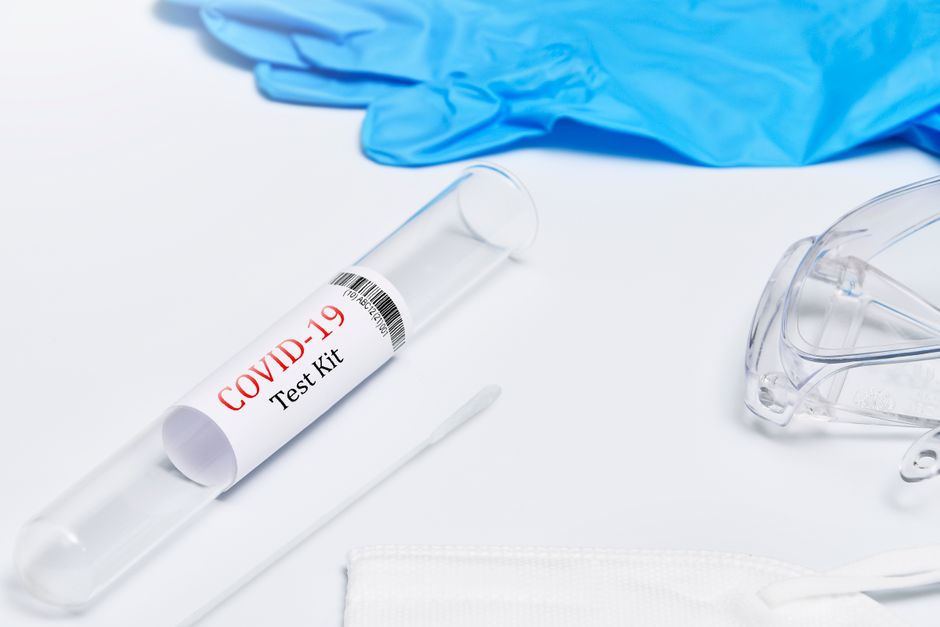
Regardless of predicted risk, the EPA and the Wisconsin Department of Health Services suggest that all area households perform radon testing. This guidance comes from the fact that any home—even in a lower zone—can end up with unsafe levels due to local quirks in soil and building design.
Community-wide programs, especially in public buildings and schools, have helped identify trends, but most radon exposure comes from private homes. Testing is especially useful:
- After moving into a new property
- Following major renovations or basement finishing
- Before buying or selling a home
Short-term radon tests are inexpensive and easy to use, and winter months often give the highest, most accurate readings due to closed windows and reduced ventilation.
What Are Common Misunderstandings About Radon Zones?
A frequent misconception is that living in a moderate or low zone means a home cannot have dangerous levels. In reality, local geology and building specifics matter more than the general zone map. Another misconception is that older homes are always at higher risk; newer tightly sealed homes can also trap more radon indoors.
Knowing a home’s radon zone is helpful, but it should never replace direct testing. Residents sometimes assume mitigating radon is only for homes in high-risk areas, but mitigation may be necessary anywhere elevated levels are found.
How Does Milwaukee’s Climate and Housing Influence Local Radon Risks?
Cold winters in the area lead residents to close up homes for much of the year, limiting airflow and potentially causing radon to accumulate inside. Many houses have basements—common in Midwest construction—which can provide a direct path for soil gases to enter.
Dense neighborhoods with older, deeper foundations might be more likely to see higher readings, but this pattern is not absolute. Lake effect weather and seasonal changes, such as frozen ground, can influence how quickly radon migrates into homes from below.
When Is Professional Assistance Required?
While most homeowners can perform a basic radon test without special skills, certain situations call for expert help—especially if test results show levels above the EPA action guideline of 4 pCi/L, or if there are unusual building features complicating mitigation. In these cases, specialized assessment and remediation techniques are needed for safe, lasting results.