

 See My Latest Article on HelloNation
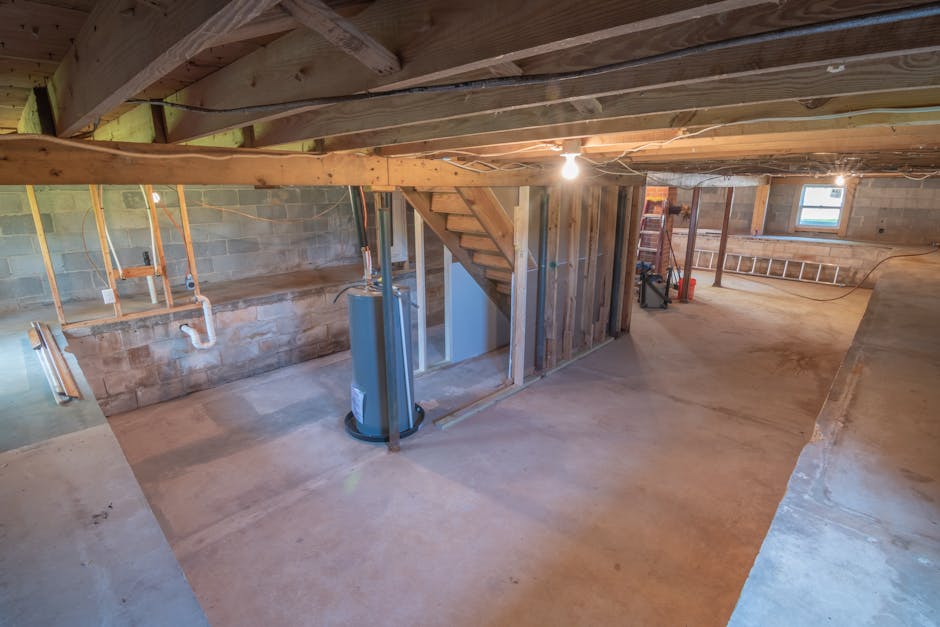
If you’re a Milwaukee homeowner, you may already know about radon—a naturally occurring, radioactive gas that can accumulate indoors and pose serious health risks. But have you ever wondered exactly how radon enters your home, and why it’s so common in areas like southeastern Wisconsin? Understanding the pathways that let radon inside can help you protect your family and enjoy peace of mind in your Milwaukee residence.
What is Radon and Why Is It a Concern in Milwaukee?
Radon is a colorless, odorless, and tasteless gas that forms naturally from the breakdown of uranium in soil, rock, and water. While you can’t see or smell radon, it's the second leading cause of lung cancer in the United States, after smoking. Milwaukee, like much of Wisconsin, sits atop soils and rock formations that can release higher-than-average levels of radon.
With many Milwaukee homes featuring basements and being built on glacial soils, the region’s geology makes radon a local concern, especially during the long, chilly winters when families spend more time indoors and windows remain closed.
The Main Pathways: How Does Radon Enter Your Home?
Radon gas rises naturally from the ground and usually dissipates harmlessly into the air outdoors. However, when a house is built on top of radon-emitting soil, the gas can seep through even tiny openings and become trapped inside, where it can reach dangerous concentrations.
Here’s how radon typically finds its way into Milwaukee homes:
- Cracks in Foundation Floors and Walls
Homes in Milwaukee often have full basements or crawl spaces. Over time, minor settling or movement in the foundation can create small cracks or gaps, providing a pathway for radon to enter the living spaces above.
- Gaps Around Pipes and Utility Openings
Plumbing, electrical wiring, sump pumps, and HVAC ducts frequently pass through a home’s foundation. Any space left unsealed around these penetrations can act as an entry point for radon moving up from the soil.
- Construction Joints and Floor Drains
Milwaukee homes with poured concrete floors or block wall construction will have natural joints where different materials meet—places where radon can more easily sneak in. Unsealed floor drains are another potential entryway, especially in older houses.
- Open Sump Pump Pits
Many Milwaukee area homes rely on sump pumps to manage basement moisture. Unfortunately, uncovered sumps can provide a direct route for soil gases (including radon) to enter the basement.
- Porous Building Materials
Some concrete, stone, and brick used in local construction can allow radon to seep through, especially if materials become worn or cracked with age.
Seasonal Effects: Why Milwaukee Winters Can Worsen Radon Entry
In Milwaukee’s cold climate, homeowners keep doors and windows closed tightly during the fall and winter months, reducing natural ventilation. This creates a pressure difference—warmer indoor air rises and escapes from the upper portions of a home, causing a slight vacuum at ground level. This effect, known as the “stack effect,” draws radon gas up from the soil and through any available openings in the foundation.
Additionally, frozen ground and snowpack can act like a seal, trapping radon below the surface and forcing it to seek the path of least resistance—your basement floor or crawl space. The result? Radon levels are often highest in Milwaukee homes during the winter heating season.
Why Does Radon Concentrate in Basements?
Basements are common in Milwaukee, providing valuable living and storage space as well as a barrier from our region’s variable weather. But being the lowest part of the home and closest to the soil, basements are often the first place radon accumulates.
Finished or unfinished, basements with lower air pressure than the ground underneath can draw radon inside through:
- Floor cracks
- Wall joints
- Sump pit covers
- Utility insertions
Because radon is heavier than air, it tends to concentrate at lower levels. If a basement is used as a living space or a children’s playroom, long-term exposure to elevated radon can pose chronic health risks.
Building Age, Type, and Radon Risk in Milwaukee
Unlike lead or asbestos, the risk of radon does not vary significantly by the age of a home—both new and old houses can have elevated levels. In fact, energy-efficient homes are sometimes at greater risk if they are well-sealed and lack proper ventilation, trapping radon inside.
Construction factors that influence radon entry include:
- Foundation type (basement, crawl space, slab-on-grade)
- Sealing and insulation practices
- Quality of construction materials
- The presence of sumps or drains
Regardless of neighborhood—be it historic Bay View, suburban Brookfield, or newer subdivisions in Wauwatosa—no Milwaukee area home is immune to potential radon infiltration.
Protecting Your Milwaukee Home: What You Can Do
Knowing how radon gets into your home is only half the battle. Milwaukee homeowners can take the following steps to manage radon risk:
- Test Your Home for Radon
Testing is easy, inexpensive, and vital for peace of mind. Kits are available at hardware stores, through local health departments, or directly from certified radon professionals.
- Seal Foundation Cracks and Openings
Sealing visible cracks, sump covers, and gaps around utility penetrations can help reduce (but not always eliminate) radon entry.
- Install a Radon Mitigation System If Needed
If tests reveal levels above the EPA action guideline of 4.0 picocuries per liter (pCi/L), installing a professional mitigation system can effectively and permanently lower radon exposure.
- Retest After Renovations or Major Weather Events
Foundation repairs, remodeling, or severe flooding can change how radon enters your home. Periodic retesting ensures continued safety.
Radon Entry is Ubiquitous—Awareness is Key
Radon isn’t a problem unique to “old” homes, high-risk neighborhoods, or visible foundation damage. It doesn’t discriminate and can affect any property. In a city like Milwaukee, where homes of various ages and construction styles are built on radon-prone soil, routine testing and mitigation are crucial to maintaining a safe, healthy indoor environment.
Empowering yourself with knowledge about how radon enters your home—and taking action when necessary—ensures your family stays safe and secure, whether you’re cheering on the Brewers from your basement rec room or enjoying a winter night indoors.