

 See My Latest Article on HelloNation
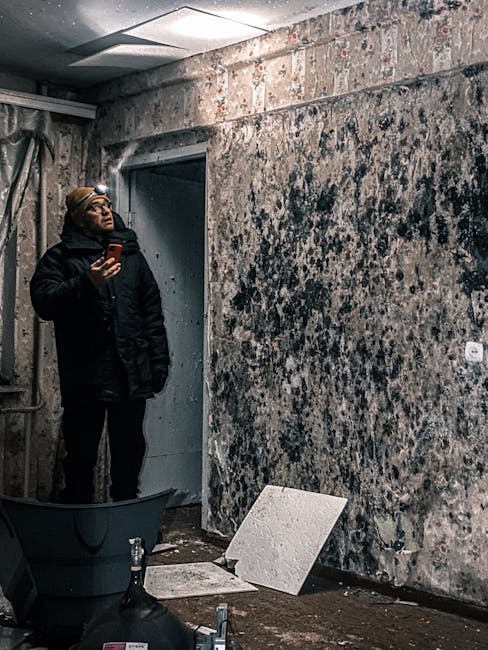
Milwaukee is beloved for its lakefront living, vibrant downtown, and charming neighborhoods, offering a great mix of historic homes and new developments. But beneath our city’s foundations, an invisible threat could be affecting the health and safety of thousands of families: radon gas. Milwaukee’s geology and long winters put our community at increased risk, making it crucial for every resident to understand the health risks of radon exposure and how to protect their families.
What Is Radon and Why Is It a Risk in Milwaukee?
Radon is a naturally occurring radioactive gas formed from the breakdown of uranium in soil, rock, and water. As it rises through the ground, it can seep into homes through cracks in the foundation, sump pumps, and even well water. Milwaukee’s location on the glaciated plains and its older housing stock make radon infiltration a real concern—especially during our long cold winters, when homes are sealed up tight to keep out the weather, trapping radon indoors.
- Many areas in Wisconsin, including Milwaukee, have higher-than-average levels of uranium in the soil.
- Older basements, common in Milwaukee homes, are more prone to foundation cracks and leaks.
How Does Radon Enter Your Home?
Radon is undetectable by human senses—it is colorless, odorless, and tasteless. This means you will not know if your home is affected without testing for it directly. In Milwaukee, common entry points for radon include:
- Cracks in concrete floors and foundation walls
- Gaps around service pipes
- Floor drains and sump pits
- Crawlspaces
Many Milwaukee residents enjoy remodeling basement rec rooms, creating in-home gyms, or adding bedrooms below ground level. Unfortunately, these are often the areas with the highest radon concentration, posing hidden health risks to families spending time in finished basements.
What Are the Health Risks of Radon Exposure?
Radon is a leading cause of lung cancer in the United States, second only to smoking. The EPA estimates that radon exposure causes about 21,000 lung cancer deaths annually. The risk stems from breathing radioactive particles released by radon decay, which damage lung tissue over time.
The Main Health Risks Include:
- Lung Cancer: Long-term exposure to elevated radon levels increases the risk of developing lung cancer, particularly for smokers. Even non-smokers who are exposed to radon have a significantly higher risk compared to those not exposed.
- Synergistic Effects With Smoking: Milwaukeeans who smoke and are exposed to radon face much greater health risks—radon multiplies the carcinogenic effects of tobacco smoke in the lungs.
- No Immediate Symptoms: Unlike carbon monoxide poisoning, radon exposure doesn’t cause headaches, nausea, or dizziness. The damage happens over years, often without any warning until a diagnosis is made.
Why Is This Especially Concerning for Milwaukee Families?
Milwaukee weather means homes are often closed up from late fall through early spring—prime conditions for radon buildup. Families with children, elderly relatives, or anyone spending extra time at home may have greater cumulative exposure. What’s more, many people are renovating older homes in Milwaukee, potentially disturbing soil or making changes to basements that increase radon entry if not managed properly.
How Common Is Radon in Milwaukee, WI?
Recent local surveys, state health department data, and real estate transaction reports reveal that:
- 1 in 10 homes in Milwaukee County have radon levels above the EPA’s recommended action level (4.0 pCi/L).
- Test results frequently show elevated radon in neighborhoods throughout the city—from Bay View and Wauwatosa to Shorewood and Whitefish Bay.
Even newer energy-efficient homes are not exempt, as their airtight construction can trap radon more effectively.
What Can You Do to Protect Your Family From Radon?
Radon exposure is easy to ignore, but it's also straightforward to prevent. Here’s how Milwaukee homeowners can take control:
Test Your Home
- Purchase a Radon Test Kit: Available at local hardware stores, online, or sometimes through the Milwaukee Health Department.
- Test All Levels: Especially the lowest livable space. Even if you don’t go into the basement much, you could be at risk.
- Short-Term vs. Long-Term Testing: Short-term tests provide a snapshot; long-term tests offer a more accurate average over months.
Interpret Your Results
- 4.0 pCi/L or Higher: The EPA recommends corrective action.
- Below 4.0 pCi/L: Lower risk, but the EPA still suggests considering mitigation for levels between 2.0 and 4.0 pCi/L.
Install a Radon Mitigation System
If radon levels are high, a licensed radon mitigation technician can help reduce exposure. Typical mitigation systems involve venting radon from below the house to above the roofline using special fans and pipes. In Milwaukee, where basements are common, sub-slab depressurization is the favored approach.
Prevent Future Radon Issues
- Seal cracks in foundation and basement floors
- Improve ventilation, especially in crawlspaces
- Regularly monitor radon levels, especially after remodeling or basement finishing
Radon and Real Estate in Milwaukee
Homebuyers are increasingly asking for radon test results before purchasing. Milwaukee sellers can benefit from proactive testing and mitigation, as homes with proven low radon are more attractive in our competitive housing market.
Conclusion: Make Radon Safety Part of Milwaukee Living
Milwaukee is a city rich in history, culture, and community—let’s keep it safe by taking radon seriously. Test your home, take action if needed, and help protect your family and neighbors from the silent health risks of radon exposure. Awareness and prevention today mean a healthier Milwaukee tomorrow.